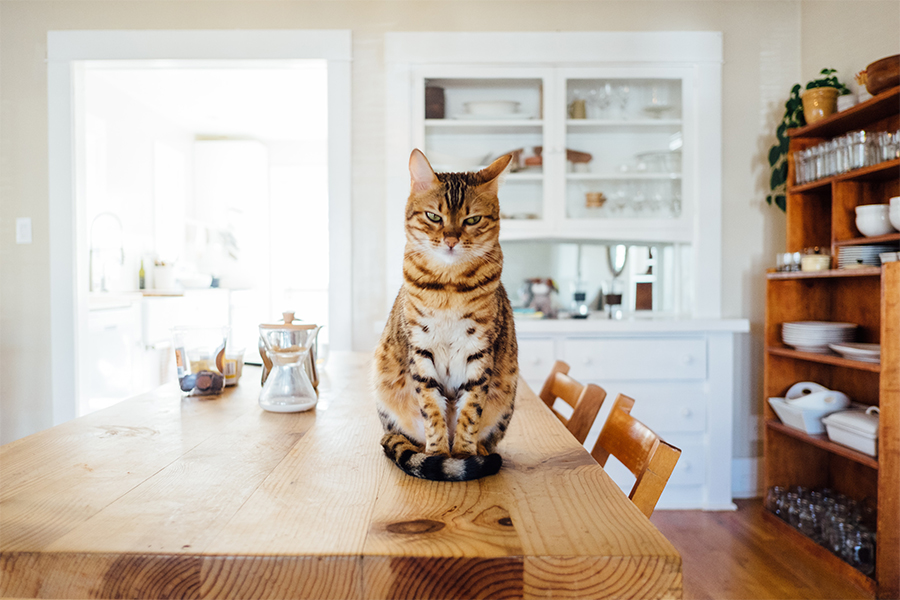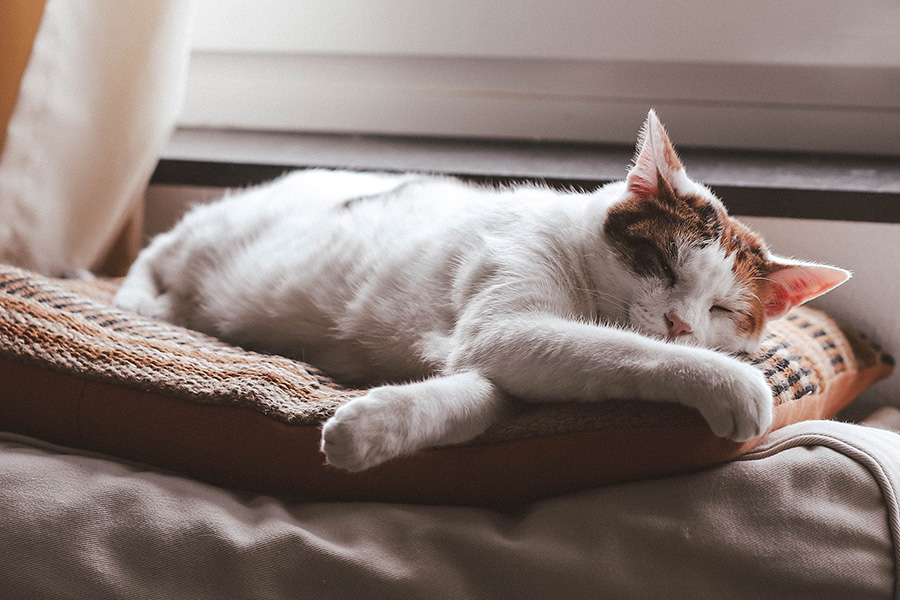
Photo by Manja Vitolic on Unsplash
As cats age, they may experience senior cat weight loss and other health concerns. Senior cats also have unique nutritional needs, and as Waltham Petcare Science Institute research shows, "if aging cats don't meet their metabolic energy requirements, they could be at risk of muscle loss and impaired body condition" — making the right nutrition essential at every stage.
Knowing how to help your cat gain weight safely and sustainably is key to restoring their overall wellbeing. If your senior cat appears to be losing weight or is already underweight, it's essential to identify the reason first — so you can treat the issue and restore a healthy body condition.
Why is my senior cat losing weight?
There are several reasons why your senior cat might be losing weight, such as dental issues that prevent them from eating, decreased muscle mass due to ageing, gastrointestinal problems, or other underlying health issues, such as diabetes, kidney disease, heart disease, or cancer.
Additionally, depression, stress, and anxiety can also lead to a lack of appetite, which can ultimately cause weight loss.
Signs of unhealthy weight loss in senior cats
Some of the main signs of unhealthy weight loss are:
- Bony appearance
- Low energy levels
- Dull and sunken appearance in and around their eyes
- A deteriorated coat condition - as depression and anxiety can sometimes lead cats to stop grooming themselves.
If you spot any of these symptoms in your senior cat, get them seen by your vet to assess the cause of their weight loss and what kind of action can be taken.
What is a healthy weight for a senior cat?
The ideal weight for your cat will vary depending on their breed, age, and gender. Use a body condition guide to assess your cat’s body condition and determine their body condition score. A score of 3 is ideal, which means that your cat’s ribs have a slight fat covering, so they can be felt but not seen, and they have a small amount of abdominal fat.
As your cat ages, achieving this BCS can become more challenging, as their appetite might reduce or they may need a specific diet, but it’s important to do your best to keep their weight up.
Why a healthy weight is important for senior cats
Maintaining a healthy weight is crucial when managing several underlying health conditions in senior cats, helping to manage and, at times, prevent chronic diseases, improve mobility, and promote healthy ageing. Being underweight is likely to lower their energy levels, while weakening their immune system, putting them at risk of infections.
How to help senior cats gain weight and keep it on
Helping your senior cat gain and maintain weight requires a combination of diet, lifestyle changes, and, in some cases, the addition of supplements or medication. Be sure to talk to your vet about the best course of action for your cat.
Best food for senior cats that need to gain weight
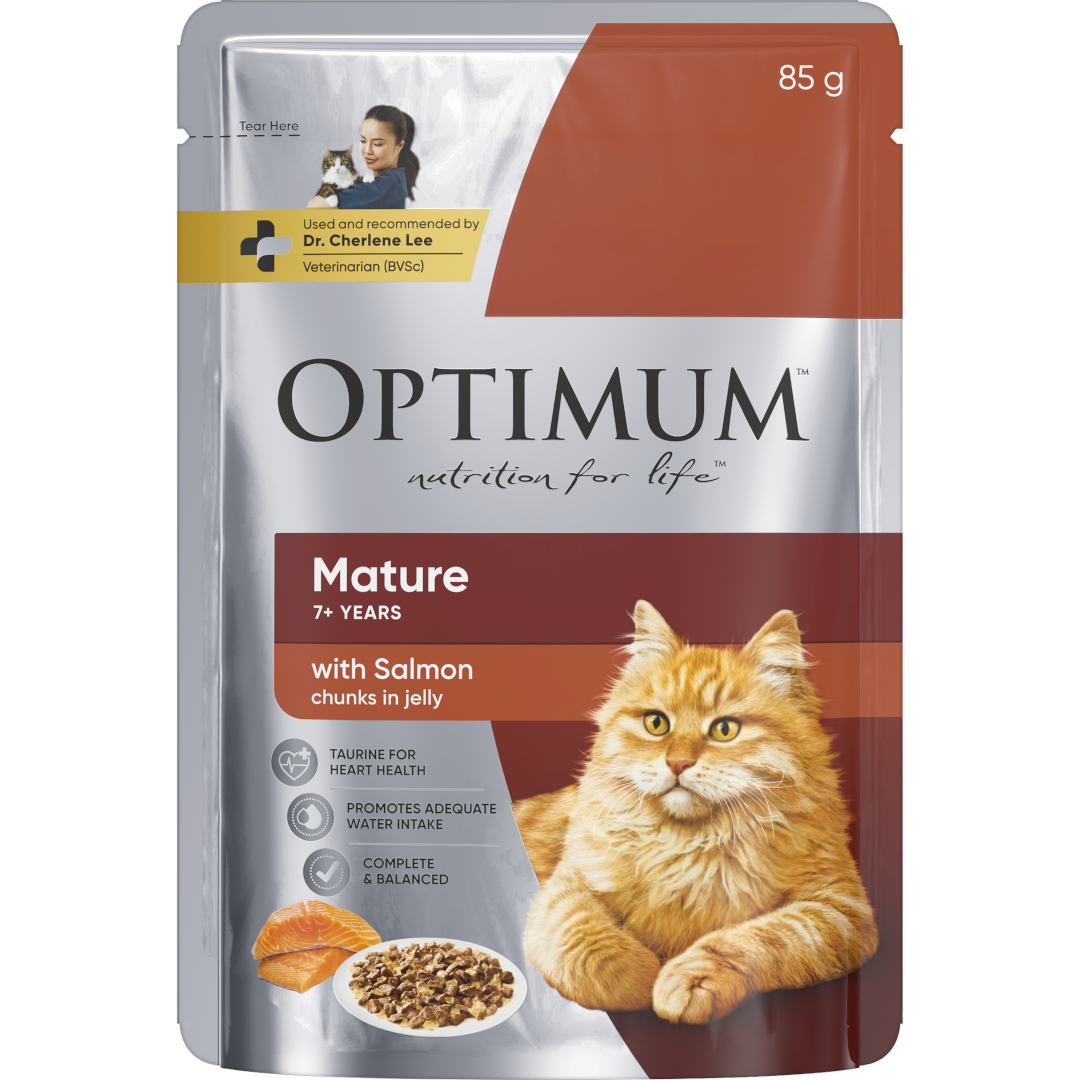
Choosing the best food for senior cats that need to gain weight starts with switching to a high-calorie cat food or adding a supplement to increase caloric intake. It’s also beneficial to choose a special senior food, such as OPTIMUM™ Mature Cat Food, that provides the nutrients your cat needs in their later years.
Research from the Waltham Petcare Science Institute found that ageing cats tend to eat around six to seven small meals over a 24-hour period. If your cat’s appetite has decreased, you can try feeding them small meals more frequently throughout the day, as they might find smaller portions easier to handle. Additionally, warming up your cat's food can help make it more appealing, as it amplifies the aroma.
Lifestyle changes to help your senior cat gain weight
Alongside diet, lifestyle changes can help your senior cat gain weight and build muscle. Encouraging exercise supports both muscle maintenance and a healthy appetite. You can do this by creating an environment that stimulates your cat's natural instincts to play, hunt, and climb, and by providing toys and interactive games that promote physical activity and mental stimulation. You can also offer your cat treats as rewards for playing, to up their calorie intake.
When to see your vet about senior cat weight loss
If your cat has lost a lot of weight or has gone off their food, it’s crucial to get them seen by a vet. They will be able to identify the cause of your senior cat’s weight loss, recommend a healthy diet, and provide treatment options in the case there are underlying health issues.
Additionally, as your cat gets older, routine veterinary check-ups are important to assess their overall health and spot health complications before they become severe.
Explore mature cat food options
Developed with WALTHAM™ Science for every life stage. Find the right OPTIMUM™ Mature Cat Food to help your cat maintain a healthy weight and keep living their best life.
Help keep your cat happy and healthy
For more tips and advice on your cat’s health, check out our pet care blog.
© 2023 Mars or Affiliates.
Related Articles