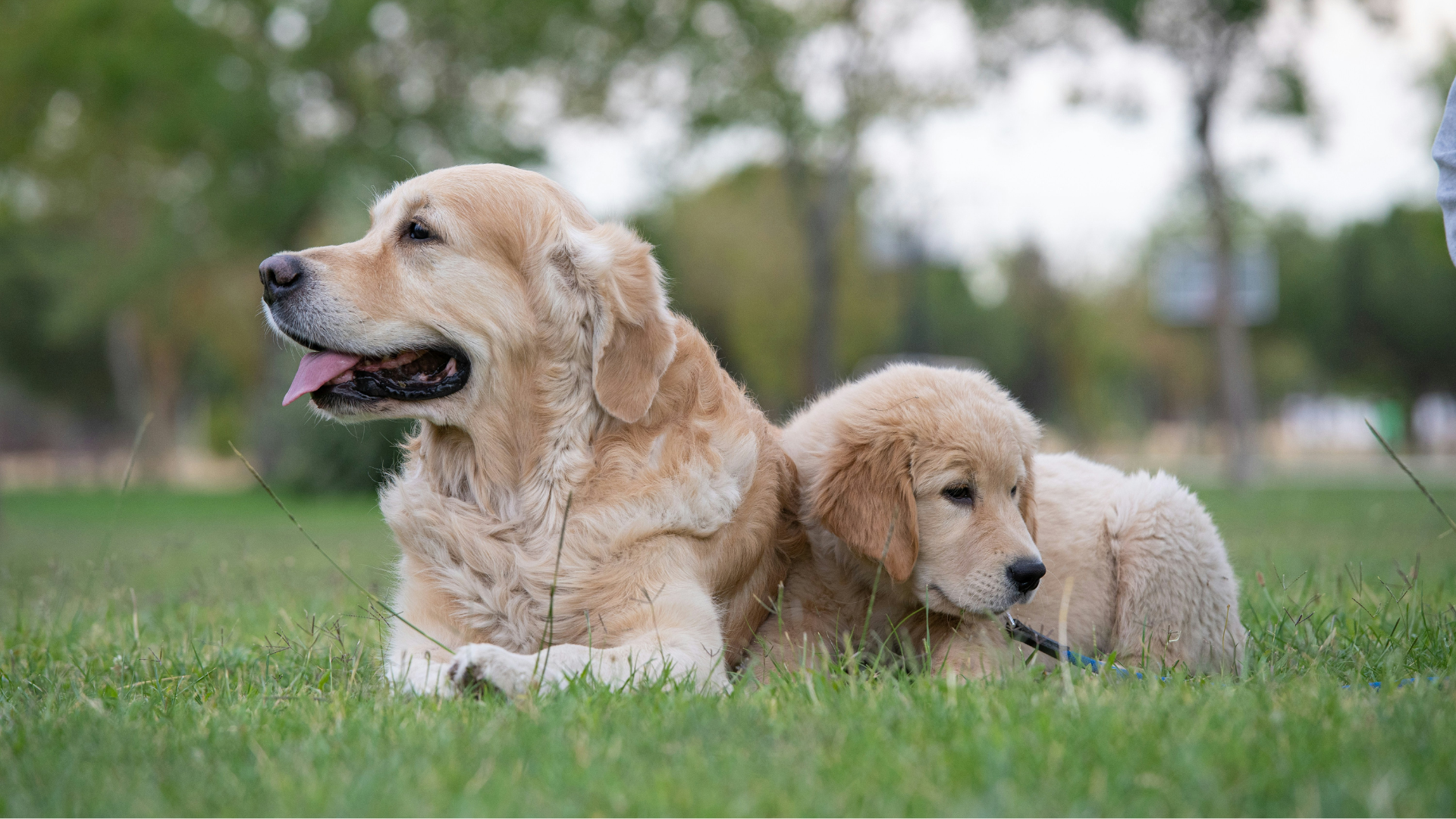
Image by Angel Luciano and Mohammad Reza on Unsplash
Key Takeaways
- A pet’s nutritional needs shift as they move from puppy or kitten to adult to senior — the food that was right at one stage may not suit the next.
- Five clear signs in dogs and five in cats can signal it’s time to reassess your pet’s diet — from weight and energy changes to digestive shifts and coat condition.
- Senior dog food for small breeds and large breeds addresses different needs — from kibble size and dental support to joint care and calorie control.
- Any food change should be gradual, monitored, and guided by your vet — age is a guide, not a diagnosis.
Why Pet Food Nutrition Changes with Age and Life Stage
What your pet eats today shapes who they’ll be tomorrow. That’s the truth at the heart of pet food nutrition — the science of matching what goes in the bowl to where your pet is in life. A bounding puppy, a steady adult, and a slower-moving senior don’t just act differently; their bodies process nutrients differently too.
Understanding pet food nutrition means recognising that the right food at one life stage can become the wrong choice at another, and knowing when to make that switch is one of the most meaningful decisions a pet parent can make.
Nutritional Needs Change Throughout Your Pet’s Life
From the rapid growth of early life to the steady maintenance of adulthood and the gentle slowing of senior years, your pet’s body is constantly recalibrating what it needs.
- Puppies and kittens require energy-dense, nutrient-rich food to fuel growth, build strong bones, and support developing immune systems.
- Adult pets need balanced nutrition that maintains muscle, supports activity, and sustains a healthy weight.
- Senior pets, meanwhile, often benefit from food that is easier to digest, supports joint mobility, and helps maintain a healthy body condition without excess calories.
The Waltham Petcare Science Institute — Mars Petcare’s science centre and a world-leading authority on pet nutrition for over 60 years — continues to study how nutritional requirements evolve across life stages.
Factors That Influence Your Pet’s Nutritional Requirements
Age is just one piece of the puzzle. Several factors work together to shape what your individual pet needs:
- Breed size: A small breed dog and a large breed dog age at different rates and have different metabolic and structural needs.
- Activity level: A working dog and a lounge-loving companion burn very different amounts of energy, as do active cats versus inactive cats.
- Neuter status: Desexed pets often have lower energy requirements and may be prone to weight gain.
- Health considerations: Sensitive stomachs, skin conditions, joint issues, or dental health can all influence the right food choice.
- Environment: Indoor cats and outdoor dogs have different lifestyles, and lifestyle dog food or lifestyle cat food can help match nutrition to the way your pet actually lives.
This is why quality pet food is designed with life stage, breed size, and specific needs in mind — not as a one-size-fits-all solution.
5 Signs Your Dog’s Food May No Longer Suit Their Age
Sometimes the signal that your dog needs a dietary change doesn’t come from a birthday — it comes from their body. If you’re feeding quality dog food but noticing changes in your dog’s condition, it may be time to reassess whether their current food still matches their life stage. Here are five signs to watch for:
- Unexplained weight gain or loss: If your dog is putting on weight despite eating the same amount — or losing weight despite a healthy appetite — their food may no longer align with their changing metabolism. As dogs age, their energy needs shift, and dog food for senior dogs is often formulated to reflect this.
- Lower energy or reduced stamina: A once-energetic dog who now tires quickly on walks may not just be “getting older.” Their food may not be providing the right balance of nutrients to support their current activity level. Lifestyle dog food is designed to match nutrition to how active your dog actually is.
- Stiffness or reluctance to move: If your dog hesitates before standing, struggles with stairs, or seems stiff after rest, their joints may benefit from targeted nutritional support. Many senior dog food formulas include ingredients designed to support joint health and mobility.
- Digestive or stool changes: Looser stools, increased wind, or new sensitivities can signal that your dog’s digestive system is responding differently to their current food. This can happen as pets move through life stages, and a transition to a more easily digestible formula may help.
- Coat, skin, or appetite changes: A dull coat, flaky skin, or a sudden loss of interest in food can all point to a nutritional mismatch. Dog food for senior dogs often includes healthy fats and essential nutrients that support skin and coat condition from the inside out.
Remember: these signs are a prompt to reassess — not a diagnosis. Persistent or sudden changes should always be discussed with your vet.
5 Signs Your Cat’s Food May No Longer Suit Their Age
Cats are masters of disguise, and dietary mismatches can be subtle. Here are five signs your cat’s food may need a life-stage update:
- Weight or body-condition change: Whether your senior cat is gaining weight from reduced activity or losing condition despite eating well, a shift in body shape is often the first clue that their food no longer fits their needs. Senior cat food focuses on maintaining lean muscle while managing calorie intake.
- Altered appetite or thirst: A cat who suddenly eats less — or drinks noticeably more water — may be signalling that something has changed. While this can reflect a health issue, it can also indicate that their current food no longer appeals to or suits their ageing system.
- Vomiting, diarrhoea, or constipation: New or worsening digestive issues can emerge as cats age. A formula that was easily tolerated in adulthood may become harder to digest, and age-appropriate cat food is often designed with enhanced digestibility in mind.
- Reduced grooming or a dull coat: Cats who groom less often or develop a lacklustre coat may be experiencing nutritional gaps. Essential fatty acids and quality protein in senior cat nutrition help support skin health and that signature feline shine.
- Reduced mobility or changed eating behaviour: A cat who no longer jumps to favourite spots, or who approaches the bowl differently, may be experiencing discomfort or a mismatch between their food and their current needs.
Important: illness can mimic dietary mismatch. Any persistent or sudden change in your cat’s condition warrants a veterinary assessment before making dietary changes.
Choosing Dog Food for Small and Large Breeds
Not all dogs are created equal — and neither is their food. Dog food for small breeds and dog food for large breeds are formulated differently because small and large dogs age at different rates and face different challenges.
When Does a Dog Become a Senior?
Senior status varies by breed size. As a general guide, small breeds (under 10 kg) are often considered senior at around 10–12 years, medium breeds at 8–10 years, and large breeds (over 25 kg) at around 6–7 years. These are guideposts, not hard rules — your vet is the best person to help you determine when your individual dog has entered their senior years.
Senior Dog Food: Small Breed Considerations
Small breed seniors often live longer and remain active well into their later years, but they have specific needs:
- Calorie density: Small dogs have faster metabolisms and may need calorie-dense food to maintain weight, especially if their appetite decreases.
- Dental health: Small mouths are more prone to dental issues, and appropriately sized kibble can help support oral care.
- Kibble size: Smaller kibble makes eating easier and more comfortable for small mouths.
Senior Dog Food: Large Breed Considerations
Large breed seniors face different challenges:
- Joint and mobility support: Larger dogs carry more weight and are more prone to joint stiffness. Look for formulas with ingredients designed to support joint health.
- Weight management: Controlled calorie levels help prevent excess weight, which can place additional strain on ageing joints.
- Digestibility: Large seniors may benefit from highly digestible proteins and fibre to support gut health.
What to Look for in Dog Food for Senior Dogs
Whatever your dog’s size, quality dog food for senior dogs should deliver:
- Quality protein to help maintain lean muscle mass
- Healthy fats and essential fatty acids for skin, coat, and cognitive support
- Fibre for digestive health and satiety
- Enhanced digestibility so ageing systems can absorb nutrients efficiently
OPTIMUM™ Senior formulas are developed with WALTHAM™ Science to provide tailored nutrition for senior dogs — because every ingredient, every formula, and every life stage should be powered by science. Explore the OPTIMUM™ Senior dog range to find a formula designed for your dog’s next chapter.
| Consideration | Small Breed Seniors | Large Breed Seniors |
| When they become senior | ~10–12 years | ~6–7 years |
| Calorie needs | Higher calorie density | Controlled calories |
| Kibble size | Smaller kibble | Larger kibble |
| Key support | Dental health | Joint & mobility support |
| Weight management | Maintain healthy weight | Prevent excess weight |
How to Change Food Safely and Know Whether It Is Working
Once you’ve identified that your pet needs a new food, the transition itself matters. A sudden switch can upset your pet’s digestive system, even when the new food is the right choice.
Here’s a practical, vet-first approach:
- Establish the need: Use the signs above and your vet’s guidance to confirm a change is warranted.
- Select suitable food: Choose an age-appropriate, life-stage-matched formula. The OPTIMUM™ Food Recommender can help you find the right fit.
- Transition gradually: Over about 7–10 days, gradually increase the proportion of new food while decreasing the old, unless your vet or the product label advises otherwise.
- Monitor and reassess: Watch for improvements in energy, coat condition, stool quality, and body weight. If something doesn’t seem right, consult your vet.
Ready to find the right food for your pet’s next life stage?
Use the OPTIMUM™ Food Recommender to get a tailored recommendation, or explore the full OPTIMUM™ Senior Dog and Senior Cat range — developed with WALTHAM™ Science to help your pet thrive at every age.
Frequently Asked Questions
How do I know if my dog has outgrown their current food?
Look for signs like unexplained weight changes, reduced energy, stiffness, digestive shifts, or a dull coat. These can signal that your dog’s food no longer matches their life stage. Always consult your vet to rule out underlying health issues before switching.
At what age should a dog start eating senior dog food?
It depends on breed size. Small breeds typically reach senior status around 10–12 years, while large breeds may be considered senior from 6–7 years. Your vet can help you decide the right time for your individual dog.
Is dog food for small breeds different from regular dog food?
Yes. Dog food for small breeds is formulated with smaller kibble, higher calorie density, and dental support in mind — reflecting the longer lifespan and specific needs of smaller dogs.
How quickly should I switch my pet to a new food?
A gradual transition over 7–10 days is generally recommended, slowly increasing the new food while decreasing the old. If your vet or the product label advises a different timeline, follow their guidance.
Should I change food before speaking with my vet?
It’s always best to speak with your vet first, especially if you’ve noticed sudden or persistent changes. Age is a guide, not a diagnosis — your vet can help determine whether a dietary change is the right step or whether further investigation is needed.