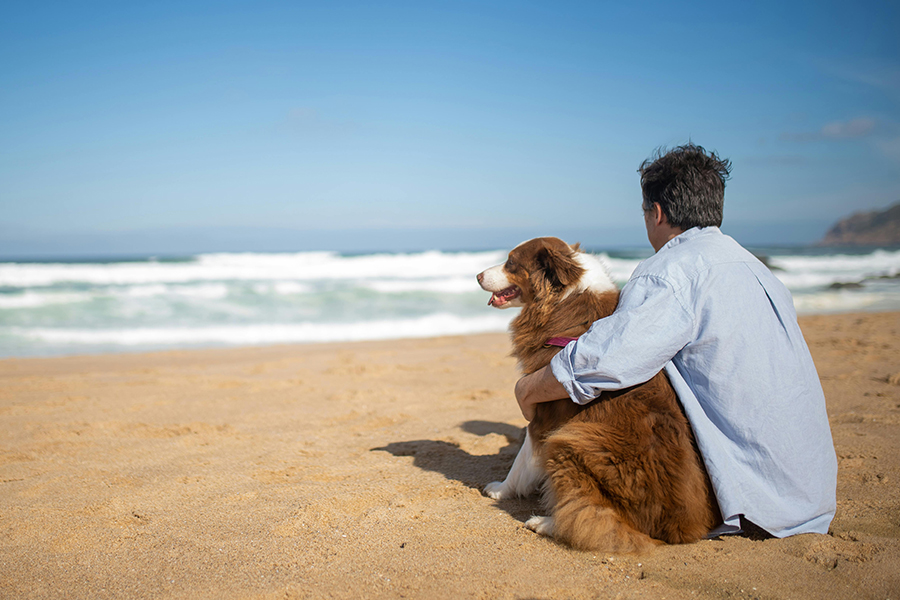
Photo by Kampus Production on Pexels
How To Manage Your Dog's Weight
Keeping your dog at a healthy weight is key to their overall well-being and quality of life. Sadly, overweight pets are more prone to health issues like arthritis, diabetes, and heart disease. Here are some tips for effective dog weight management.
Finding out what weight is healthy for your dog
Thanks to their pleading puppy eyes, dog weight management can be a challenging task for any owner. Keeping them in a healthy range is essential for their overall well-being. Just like humans, dogs have an ideal weight range that can change based on several factors like age, breed, and activity level. Understanding what a healthy weight looks like for your dog is the first step in making sure they live a long and happy life.
Differences by dog breed
Different dog breeds have different weight ranges. For example, a healthy dog weight for a Chihuahua is vastly different from that of a German Shepherd. Small breeds like Chihuahuas or Pomeranians typically weigh between 1-4kg, while larger breeds like Labradors or German Shepherds can weigh anywhere from 25-40kg. Knowing the right dog weight range will set you up to manage their weight effectively.
Ways to manage your dog's weight
Once you know what your dog’s healthy weight range is, the next step is to manage it. This involves a combination of proper feeding, exercise, and regular vet check-ups.
Food
The first and most straightforward way to manage your dog's weight is through their diet. Make sure to feed your dog high-quality, nutritious food appropriate for their age, size, and activity level. Measure their portions carefully and avoid giving them table scraps or too many treats, as these can quickly tip the scale. And don’t hesitate to consult your vet for advice on the best weight management dog food.
Exercise
Exercise is another key factor in managing your dog’s weight. Regular activity, play, and movement help your dog stay fit. Depending on their breed and age, their exercise needs may vary. Small breeds may be happy with short, frequent walks, while larger, more active breeds might require longer walks, runs, or even swimming. Consistency is key, so make sure to incorporate your dog’s exercise into your daily routine.
Seeking vet support
Vets are there to help and can offer personalised advice tailored to your dog's specific needs. They can conduct regular weigh-ins, monitor your dog's progress, and adjust feeding and exercise plans as needed. If your dog is severely overweight, your vet may recommend a specialised weight-loss program or the right weight management food for their needs.
Managing a healthy dog weight is an ongoing process that requires your attention and care. By knowing what a healthy weight is for your dog's breed, feeding them the right food, ensuring they get enough exercise, and seeking professional guidance when needed, you can help your dog lead a more enjoyable life. Remember, a healthy dog is a happy dog!
For more tips and advice on your dog’s health, check out our pet care blog.
©2024 Mars or Affiliates.