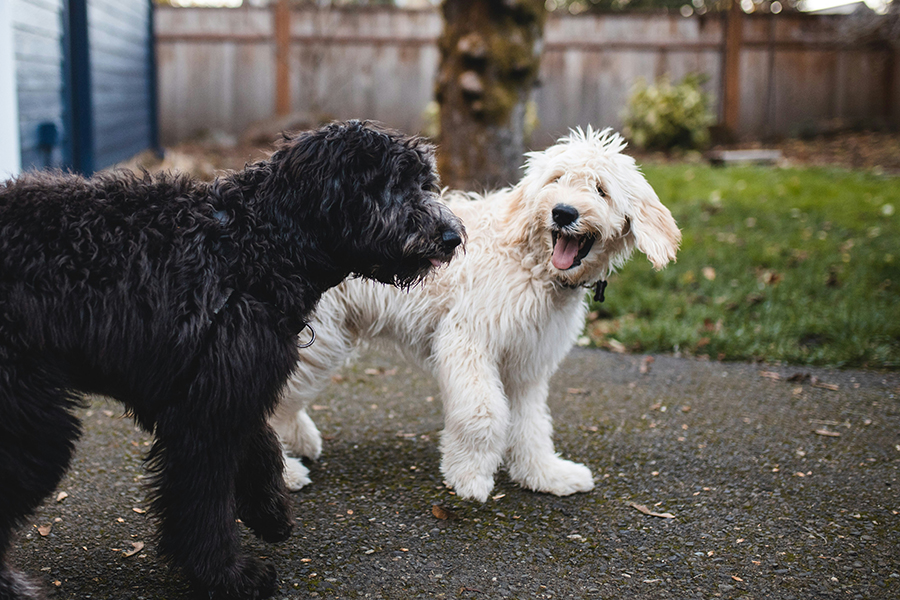
Photo by Caleb Woods on Unsplash
Optimum Guide to Common Dog Skin Issues and Care Tips
Dogs are much-loved family members who rely on us for their health and well-being. While most pet parents pay close attention to their dog’s eating habits and physical activity levels, one area that often goes unnoticed is their skin. Understanding common skin conditions your dog may face and how to treat them can make a world of difference in their comfort and health.
How to tell if your dog has a skin condition
Dogs can't tell us when something's wrong, so it's up to us to notice the signs – especially when it comes to dog skin conditions. Keep an eye out for unusual scratching, biting, or licking. Redness, inflammation, and flakes on the skin are also red flags. If your dog seems restless or uncomfortable, it might be time for a closer look. Regular grooming sessions are an excellent opportunity to check for these things.

Common skin conditions dogs experience
Sometimes dog skin issues can develop outside of your control – some more serious than others. Recognising these can help you take timely action and keep them healthy and happy.
Allergic reactions
Allergies are a significant cause of dog skin conditions. They can be allergic to food, pollen, or even flea bites. Symptoms include excessive scratching, redness, and swelling. In severe cases, they might develop a dog skin rash like hives or sores. Check with your vet to identify allergens and create a treatment plan.
Dandruff
Just like humans, your beloved pet can suffer from dandruff and other dog skin conditions. If you notice small white flakes on their fur, they might have dry skin. Dandruff may result from a poor diet, not enough grooming, or even underlying health issues.
Yeast infections
Yeast infections are common in dogs, especially those with floppy ears. This moist environment allows yeast to thrive, causing itching, redness, and maybe a nasty odour. You may also notice thickened skin and hair loss around the affected area.
Hair loss
Hair loss, or alopecia, can be scary for any dog parent. It can result from things like allergies, parasites, or hormonal imbalances. Patches of missing fur or thinning hair are signs to watch for. Veterinary diagnosis is crucial to determine the underlying cause and appropriate treatment.
Hot spots
Hot spots are red, painful, inflamed areas often caused by excessive licking or scratching. They can spread rapidly and become infected. Look out for them on your dog’s head, hips, and limbs.
Skin tags
Skin tags on dogs are small growths that can appear anywhere on your dog's body. While generally harmless, they can become an issue if irritated or infected. If you notice a new growth, get your vet to examine it to rule out more serious conditions. Monitoring and occasional removal may be necessary to keep your dog healthy.
Dermatitis
Dermatitis is an umbrella term for a dog’s itchy skin or skin inflammation. It’s usually caused by allergies, infections, or irritants like certain chemicals. Symptoms include redness, swelling, and itching on their skin – and some dogs might even develop blisters or scabs.
How to treat these conditions
Treating skin conditions in dogs requires care and experience, so always start with a visit to the vet for an accurate diagnosis. Depending on the condition, your dog’s treatment options could include:
- Medicated shampoos: Great for dandruff, yeast infections, and mild dermatitis. Ensure you use a vet-recommendedproduct.
- Topical medications: Creams and ointments can relieve symptoms of dog skin rashes and help heal conditions like hot spots and dermatitis. Dog skin tags are usually best assessed by a vet.
- Dietary changes: Dog skin allergies and dry skin can often be managed through diet. Consider hypoallergenic foods or supplements rich in omega-3 fatty acids.
- Medications: In more severe cases, your vet might give your dog antibiotics, antifungals, or steroids to combat certain infections and inflammation.
Recognising the signs of different dog skin conditions and knowing how to treat them will ensure your pooch is living their best healthy life. For more personalised advice and treatment options, check with your usual vet.
Visit our pet care blog for more information on keeping your dog happy and healthy.
©2024 Mars or Affiliates.