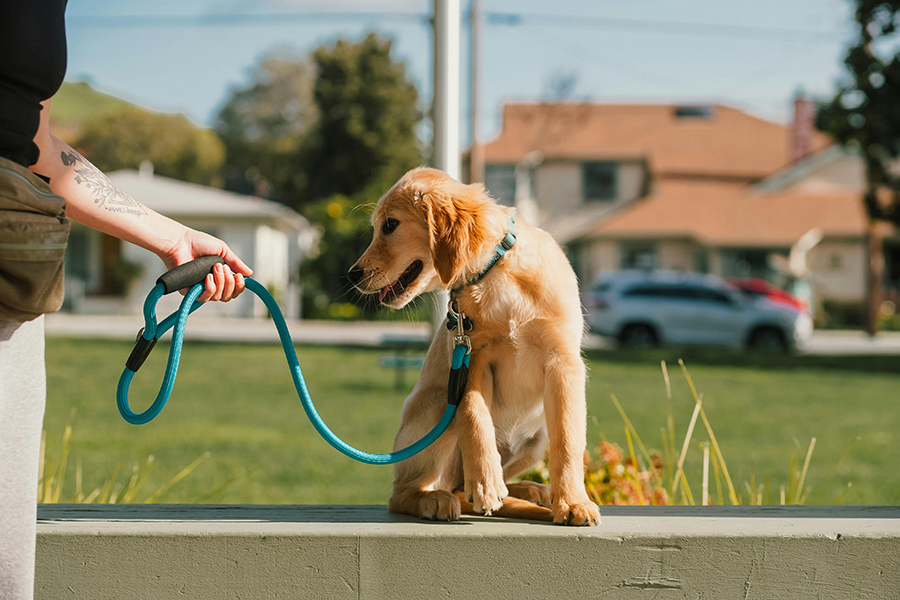
Photo by Josh Hild on Pexels.
How To Prepare For Your Dog’s First Walk
Bringing a new dog into your home is an exciting time, but it also comes with responsibilities, such as regular walks. Walking your dog is an enjoyable way for you and your pet to get some much-needed exercise, and a great opportunity for bonding and socialisation. However, there are a few things you should know before you get started.
Why you should prepare before taking your dog for their first walk
It can take some time and effort for your dog to adjust to new experiences, so proper preparation can make your dog’s first walk more enjoyable and less stressful for everyone involved. This preparation will include training, being mindful of where you’re walking and creating a routine.
Training considerations
Training is an essential component of preparing for your dog's walks, keeping both you and your dog safe. You should start this process in the home where there are fewer distractions.
- Basic Commands: Ensure your dog understands basic commands such as "sit," "stay," and "come." These commands can be lifesavers in potentially dangerous situations.
- Leash Training: Introduce your dog to walking on a leash inside your home or a secure yard. Gradually increase the length and complexity of these practice sessions.
- Positive Reinforcement: Use treats and praise to reward good behaviour. This not only makes training more effective but also strengthens the bond between you and your dog. You should never yell or punish your pet, as they will only find this distressing and confusing.
Environmental considerations
The world outside your home is full of new sights, sounds, and smells for your dog to explore. To make sure their first walk goes smoothly, consider these factors:
- Controlled Environment: Start your dog walks in a controlled spaces, such as your backyard, before heading to public areas. This gives them a chance to get used to being on the lead and avoids too many distractions.
- Weather Conditions: Be mindful of the weather. Extreme temperatures can be harmful to dogs, so plan your walks during cooler parts of the day in hot weather, and ensure your dog is adequately protected in cold weather.
- Safe Routes: Choose walking routes that are safe and free from high traffic, loud noises, and other potential stressors.
- Other dogs and animals: Consider the interactions that your dog is likely to have with other dogs and animals when out and about. Choose the environment carefully, especially in your early walks, and avoid areas with too many other dogs.
Developing a routine
Dogs thrive on routines because they provide a sense of security. Establishing a consistent walking schedule can help manage their energy levels and keep them well-behaved, as they know what to expect and when.
- Set a Schedule: Aim to walk your dog at the same times each day, so your dog knows their walks are likely to happen.
- Duration and Frequency: Determine the appropriate length and frequency of walks based on your dog's breed, age, and energy level. Generally, dogs need at least 30 minutes to two hours of exercise every day.
- Consistency: Stick to your routine as closely as possible but be flexible enough to adjust based on your dog's needs and external factors.
What to keep in mind when walking your dog
Walking your dog is an opportunity to build a strong bond, reinforce training, keep your pet healthy and encourage mental stimulation. Here are a few tips to keep in mind once you get going:
- Body Language: Pay attention to your dog’s body language. Signs of stress or discomfort, such as excessive panting, pulling, or cowering, suggest your dog may need a break or a change in environment.
- Socialisation: Walks are an excellent opportunity to socialise your dog with other animals and people. However, always assess the situation and avoid forcing them into interactions if they are not comfortable.
- Waste Bags: Always carry waste bags to clean up after your dog and take extra just in case. Responsible pet ownership includes keeping public spaces clean and hygienic for everyone.
- Hydration: Bring water for both you and your dog, especially on longer walks or hot days. Portable water bottles and collapsible bowls are convenient ways to keep your dog hydrated.
- Leash Length: Use an appropriate leash length. Shorter leashes give you more control in busy areas, while longer leashes are suitable for open spaces where your dog can roam safely.
- Avoid Overfeeding: Feeding your dog right before a walk can lead to discomfort or even bloat, especially in large breeds. Allow sometime between meals and walks to avoid any health issues.
Walking your dog helps foster a healthier, happier relationship. By preparing adequately, taking note of the environment, and maintaining a consistent routine, you can ensure that each walk is a positive and enriching experience for both you and your dog. For more tips and advice on training and caring for your dog, check out our blog.
© 2024 Mars or Affiliates.