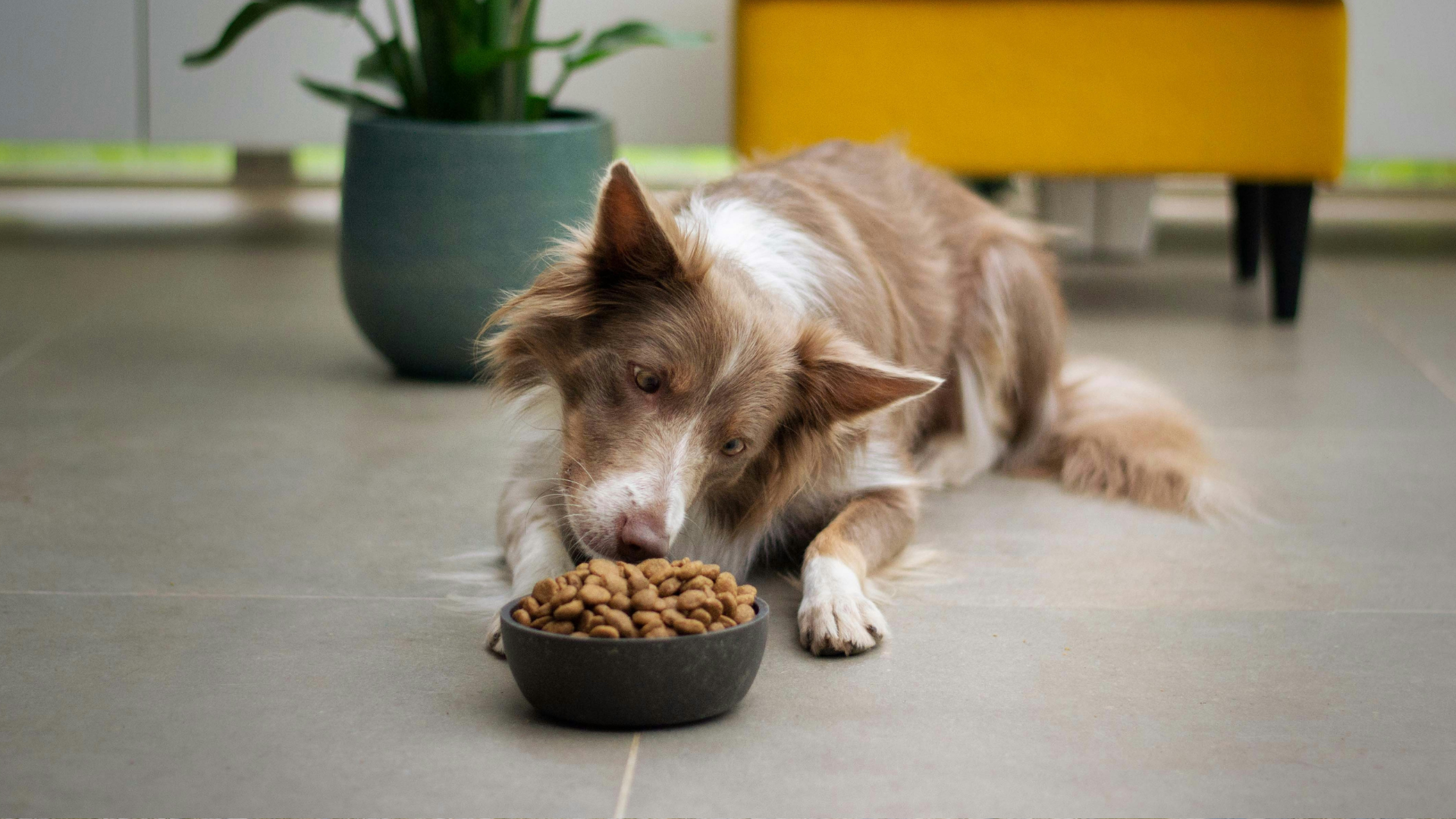
Image by Ayla Verschueren on Unsplash
Key Takeaways
- Wet and dry food each offer distinct benefits — from hydration support to convenience and dental texture — and the best choice depends on your individual pet.
- Five signs in dogs and five in cats can help you decide whether wet food, dry food, or a mix of both suits your pet’s needs.
- Mixed feeding can offer the best of both formats, provided portions are planned and calories are balanced.
- Any change in food format should be gradual, monitored, and discussed with your vet if you notice persistent changes in appetite, thirst, weight, or chewing comfort.
Wet vs Dry Pet Food: Key Differences at a Glance
Choosing between wet vs dry food is one of the most common decisions pet parents face — and there’s no single right answer. The best format depends on your pet’s age, hydration needs, preferences, and your daily routine. Understanding the key differences between wet and dry food helps you make an informed, confident choice that supports your pet’s wellbeing at every life stage.
Which Option Provides More Hydration for Your Pet?
Wet food has a significantly higher moisture content than dry food — often around 70–80% compared to roughly 10% in kibble. For pets who don’t drink much water, this added moisture can contribute to their daily fluid intake and help support overall hydration.
This can be especially relevant for cats, who naturally have a low thirst drive and may benefit from the extra moisture in wet cat food, particularly in warmer climates or for pets with specific health considerations.
Always ensure fresh water is available regardless of food format.
Does Texture Influence What Pets Prefer to Eat?
Texture and aroma play a real role in what pets enjoy. Wet food tends to have a stronger aroma and softer texture, which can appeal to pets with sensitive appetites or changing preferences. Kibble, by contrast, offers a satisfying crunch that some pets enjoy and that can contribute to a different eating experience. Individual pets have individual preferences — there’s no universal winner.
Which Is Easier to Store and Serve Every Day?
Dry dog food and dry cat food are generally more convenient to store, measure, and serve. Kibble can be left out for pets who graze, has a longer shelf life once opened, and is easy to portion. Wet food, once opened, needs refrigeration and should be used within a shorter timeframe.
For busy households, the convenience of dry food is a genuine practical advantage — but it’s only one factor in the decision.
How Do Portion Sizes and Calories Compare?
Calorie intake matters more than bowl volume. Wet food is less calorie-dense per gram than dry food, so a serving of wet food looks larger but may contain fewer calories than the same volume of kibble. When comparing wet vs dry food, it’s essential to follow the feeding guidelines on the pack and adjust portions to your pet’s body condition, not the visual size of the meal.
This is particularly important in mixed feeding, where combining full servings of both formats can lead to overfeeding.
Which Format Offers More Feeding Flexibility?
Wet and dry food suit different feeding routines. Dry food works well for grazers and pets who eat at their own pace throughout the day. Wet food is ideal for set mealtimes and can be used in enrichment tools like lick mats. Some pet parents choose mixed feeding — combining both formats — to offer variety, flexibility, and the benefits of each. Puzzle feeders and slow feeders can also work with either format to add mental stimulation.
5 Signs Wet or Dry Food May Suit Your Dog
Not sure whether wet dog food or dry dog food is the better fit? These five signs can help guide your decision.
Does Your Dog Seem to Need Extra Hydration?
If your dog doesn’t drink much water — especially in warm weather or after exercise — the moisture in wet food can help support their overall fluid intake. Dogs who are particularly active or who live in hot, dry climates may benefit from the added hydration that wet food provides. If you’re weighing up wet vs dry dog food and hydration is a concern, incorporating some wet food into your dog’s diet may be worth discussing with your vet.
Is Your Dog Becoming More Selective at Mealtime?
A dog who once ate eagerly but now picks at their food may be responding to changes in aroma, texture, or palatability. The stronger scent and softer texture of the best wet dog food can sometimes reignite interest in meals. If your dog’s appetite has changed, it’s always worth checking with your vet to rule out underlying issues before assuming it’s simply a food preference.
Does Your Dog Struggle to Chew Certain Foods?
As dogs age or if they have dental concerns, harder kibble may become more difficult to manage. Softer wet food can be easier on sensitive mouths and may be more comfortable for senior dogs. If your dog is hesitating before eating, dropping food, or chewing on one side, a veterinary dental assessment is the right first step. Softer food may then be a practical choice alongside professional care.
What Does Your Dog’s Feeding Routine Look Like?
Does your dog eat set meals, or do they prefer to graze throughout the day? Dry food suits free-feeding routines because it can sit out without spoiling. Wet food is better suited to defined mealtimes. Consider whether puzzle feeders, enrichment activities, or your daily schedule influence which format fits your household best. Dry dog food is often the practical choice for busy families, while wet food can add variety and interest at specific meals.
Is Your Dog Maintaining a Healthy Weight and Body Condition?
If your dog is gaining or losing weight, the food format may be a contributing factor. Because wet food is less calorie-dense per gram, it can help with portion control and satiety for some dogs. Dry food, meanwhile, makes it easy to measure precise portions.
Whatever format you choose, monitoring your dog’s body condition and adjusting portions accordingly is essential.
5 Signs Wet or Dry Food May Suit Your Cat
Cats have their own set of signals. Here are five signs to help you choose between wet vs dry cat food.
Is Your Cat Drinking Enough Water Throughout the Day?
Cats are notoriously low water drinkers by nature. In the wild, much of a cat’s hydration comes from prey, so domestic cats may not instinctively drink enough from a bowl. The moisture in wet cat food can help bridge that gap and contribute to daily fluid intake. If you notice your cat rarely visits the water bowl, incorporating wet food — or switching to a wet and dry cat food mix — may be worth discussing with your vet.
Does Your Cat Prefer Grazing or Eating Small Meals?
Many cats prefer to eat multiple small meals throughout the day rather than one or two large ones. Dry cat food supports this natural grazing behaviour because it can be left out without spoiling. Wet food, by contrast, should be served and consumed within a shorter window. Understanding your cat’s natural eating rhythm can help you choose the format — or combination — that suits them best.
Is Your Cat Finding Meals Harder to Chew?
As cats age, chewing comfort can change. Softer wet food may be easier for senior cats or those with dental sensitivities. If your cat is eating more slowly, leaving harder kibble behind, or approaching the bowl with hesitation, a vet check is advisable before making dietary changes. The best wet cat food can offer a gentler eating experience when chewing becomes a challenge.
Does Your Cat Have Strong Preferences for Certain Textures or Aromas?
Some cats are highly particular about texture and aroma. If your cat turns away from kibble but responds eagerly to wet food — or vice versa — their preferences are telling you something. Mixed feeding can be a helpful compromise for cats who enjoy variety, offering the aroma and texture of wet food alongside the convenience of dry.
Explore our dry cat food range and wet cat food range to find options your cat will love.
Is Your Cat Maintaining a Healthy Weight in a Single- or Multi-Cat Household?
Weight management in cats can be tricky, especially in multi-cat households where food competition or guarding may occur. Wet food’s lower calorie density can help with portion control, while dry food is easier to measure precisely. In multi-cat homes, feeding cats separately and monitoring each cat’s body condition is key — regardless of whether you choose wet, dry, or mixed feeding.
For guidance on weight management, explore our approach to healthy weight nutrition.
How to Choose, Mix and Transition Food Safely
How Do You Know Which Food Format Is Right for Your Pet?
Start by considering your pet’s age, life stage, activity level, feeding habits, and personal preferences. There’s no universal answer — the right choice is the one that fits your pet as an individual. The OPTIMUM™ Food Recommender can help you find a tailored recommendation based on your pet’s specific needs. For more guidance, explore our guides on what’s in dog food and cat food ingredients.
Thinking About Mixing Wet and Dry Food?
Mixed feeding can offer the best of both worlds — the hydration and aroma of wet food alongside the convenience and crunch of dry. The key is to combine food formats in planned portions rather than simply serving full amounts of both, which can lead to overfeeding. Reduce the dry portion to account for the calories in the wet food, and follow feeding guidelines to keep total daily intake balanced. Transition any new food gradually over about 7–10 days, and monitor your pet’s response.
Wet vs Dry Food at a Glance
| Feature | Wet Food | Dry Food |
| Moisture content | ~70–80% | ~10% |
| Calorie density | Lower per gram | Higher per gram |
| Storage | Refrigerate after opening | Longer shelf life once open |
| Feeding style | Best for set mealtimes | Suits grazing and free-feeding |
| Dental texture | Soft | Crunchy kibble |
| Convenience | Needs prep and refrigeration | Easy to measure and serve |
Ready to find the right food format for your pet?
Use the OPTIMUM™ Food Recommender for a tailored recommendation, or explore the OPTIMUM™ dog and cat range — developed with WALTHAM™ Science to deliver tailored nutrition at every life stage.
Frequently Asked Questions
Does wet food help puppies transition from weaning?
Yes. The soft texture and higher moisture content of wet food can make the transition from milk to solid food easier for puppies. Wet food for dogs can be gradually mixed with puppy kibble as they grow and develop stronger teeth.
Does dry dog food clean a dog’s teeth?
The crunchy texture of kibble dog food can help reduce some plaque buildup through mechanical action, but it’s not a substitute for regular dental care. Brushing your dog’s teeth and scheduling veterinary dental checks remain essential.
Is wet food easier for senior dogs with dental issues?
Yes, wet food’s softer texture can be more comfortable for senior dogs with dental sensitivities. If your dog is struggling with kibble, consult your vet to assess dental health before making dietary changes.
When can kittens start eating dry food?
Kittens can begin transitioning to dry food from around 8–10 weeks, typically by softening kibble with warm water initially. Always introduce new food gradually and follow feeding guidelines for kitten life stages.
How much wet food equals a serving of dry food for cats?
There’s no simple swap because wet and dry food have different calorie densities. Check the feeding guidelines on both packs and adjust portions so that the total daily calorie intake remains consistent. Your vet can help you calculate the right balance for your cat.