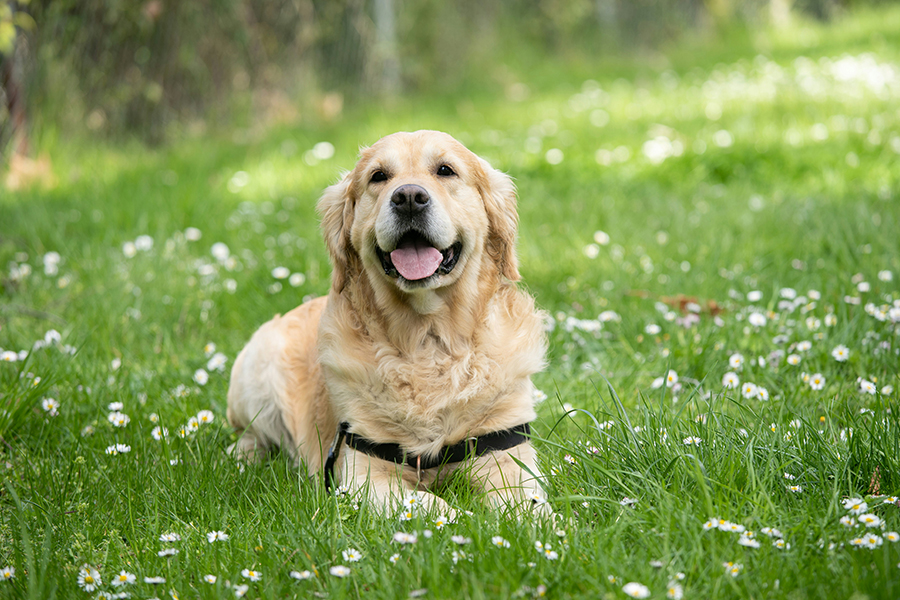
Photo by Angel Luciano on Unsplash.
The Reasons Why Your Dog May Be Eating Grass
While dogs tend to eat whatever’s in front of them, many pet parents are bemused by this quirky behaviour. Find the answers to the long-pondered question “Why is my dog eating grass?”, what impact it has on them, and whether a dog eating grass is any cause for concern.
Why do dogs eat grass?
It’s actually their natural instinct. Dogs are descendants of wild canines who had to forage for food in the wild. Eating grass could be a behaviour inherited from their canine ancestors who grazed on vegetation to balance their diet of meat.
Sometimes, dogs eat grass because they’re missing certain nutrients in their diet. Grass could provide them with roughage that aids digestion, or specific vitamins and minerals not found in their regular dog food.
We all get peckish – even our dogs. Wondering “Why is my dog eating grass?” is similar to asking ourselves “Why am I eating this muesli bar?”. It’s possible that dogs eat grass simply because they enjoy it or like how people sometimes snack out of boredom.
What impact does grass have on your dog?
Grass can sometimes act as a natural food-processing aid. The rough texture might help stimulate your dog’s digestion, helping them eliminate any irritants or indigestible materials.
So is your dog eating grass bad for them? In some cases, eating grass can make them vomit. This might be a way for dogs to rid their stomachs of something that’s bothering them.
One downside is that grass can sometimes contain pesticides or other harmful chemicals. If your dog regularly eats treated grass, it could ingest these toxins, leading to health issues.
Is eating grass bad for your dog?
In most cases, a dog eating grass isn't harmful. Many vets consider it a normal behaviour and not a cause for concern unless it's accompanied by other symptoms like frequent vomiting, diarrhoea, or lethargy.
If your dog is eating grass excessively, it could be a sign of an underlying issue. Chronic grass consumption might indicate dietary deficiencies, gastrointestinal problems, or behavioural issues that need addressing.
When in doubt, it's always a good idea to consult your vet. They can help figure out if your dog's grass-eating habits are normal or if there's an underlying health concern.
How to discourage your dog from eating grass
Ensure your dog is getting all the nutrients they need from their regular diet. High-quality, well-balanced dog food can reduce the likelihood that they’ll seek out additional nutrients from grass.
Bored dogs are more likely to engage in behaviours like grass eating. Give them plenty of toys, playtime, and mental challenges so they stay engaged and happy.
So next time, instead of asking yourself “why does my dog eat grass?”, give them dog-friendly alternatives for chewing. Chew toys, dental treats, or even specially designed edible grass products can satisfy their urge without the potential risks.
And when they’re outside, keep an eye on them. If you notice your dog heading for the grass, redirect their attention with a toy or a game. Consistent redirection can help break the habit over time.
Dogs are unique animals with personalities and behaviours that can change over time. While seeing a dog eating grass might be perplexing, it’s usually nothing to worry about. So if someone asks you “why does my dog eat grass?” you’re now well-equipped with the answers.
Learn more about your dog’s behaviours and health on our pet care blog.
©2024 Mars or Affiliates.